Smarter Mobility: Control Systems for Rail and Transportation Engines
The Digital Shift in Malaysia’s Transport Sector
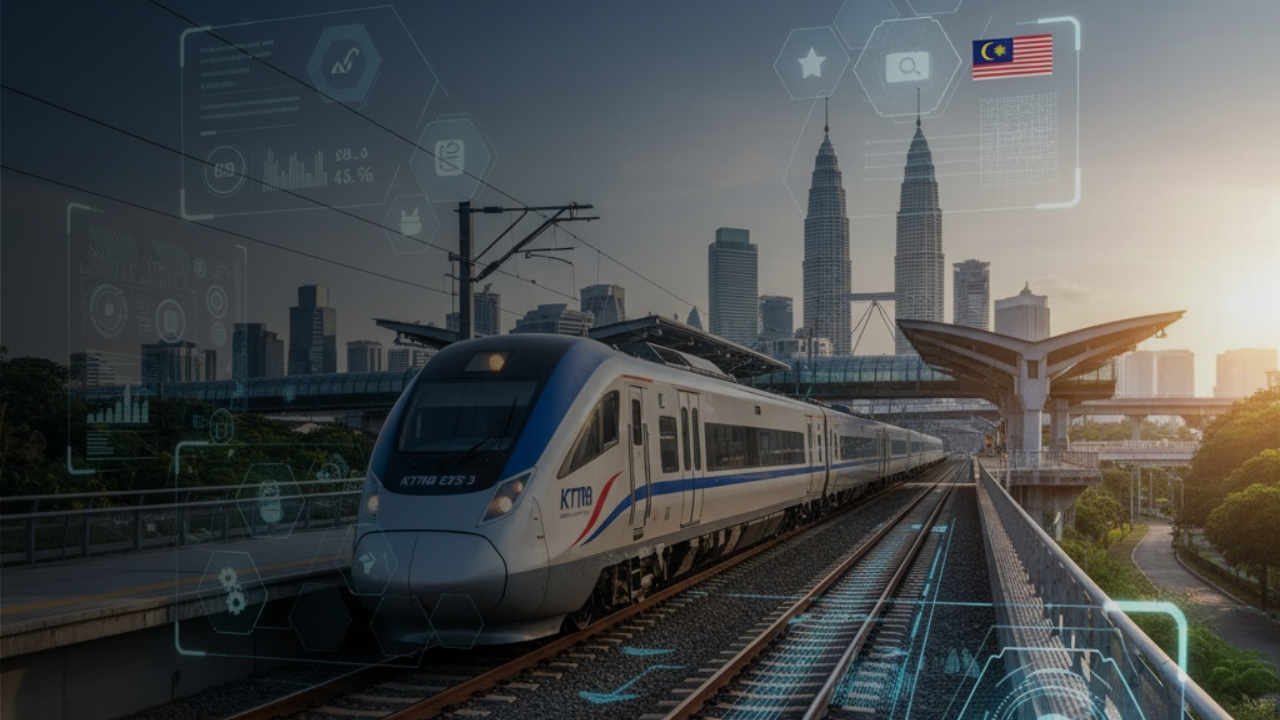
Malaysia’s transportation landscape is undergoing a significant transformation. As industries across the nation embrace digitalization, the rail and transportation sectors are moving towards smarter, more energy-efficient, and safer systems. From intercity trains to urban transit, the focus has shifted toward automation, connectivity, and predictive technologies that optimize performance and reduce operational costs.
This evolution is largely driven by advanced control systems and the unseen intelligence behind modern rail and locomotive operations. With the increasing demand for reliable public transport and sustainable mobility solutions, transportation automation is no longer optional; it’s essential for keeping Malaysia’s infrastructure future-ready.
The Role of Control Systems in Engine Performance and Energy Management
At the heart of every efficient rail or transportation engine lies a robust control system. These systems are designed to manage complex processes such as fuel efficiency, engine timing, traction, and braking coordination. In modern locomotives, they serve as the digital “brain,” constantly analyzing sensor data and adjusting performance parameters in real time.
A rail engine control system in Malaysia typically integrates multiple subsystems, engine control units, traction converters, and communication interfaces that ensure smooth acceleration, optimal fuel or power consumption, and minimal emissions. In electric and hybrid systems, control algorithms manage energy flow between the engine, battery, and braking systems, improving overall sustainability.
With automation and intelligent monitoring, operators can achieve greater precision and consistency in performance. This leads to lower energy wastage, extended equipment lifespan, and enhanced passenger comfort key factors for competitive transportation networks.
Examples of Control Technologies: Traction, Braking, and Onboard Diagnostics
Several key control technologies have become the foundation of locomotive control systems:
- Traction Control Systems (TCS):
These systems optimize the transfer of power from the engine to the wheels, preventing wheel slip and maintaining stability across different track conditions. In electric locomotives, traction control also manages inverter outputs and ensures efficient use of electric power. - Braking Systems Integration:
Modern rail vehicles combine pneumatic, electric, and regenerative braking systems under a unified control architecture. Intelligent braking coordination not only ensures safety and comfort but also recovers kinetic energy during deceleration feeding it back into the system for reuse.
- Onboard Diagnostic Systems:
Embedded diagnostics continuously monitor sensors, actuators, and communication networks within the train. When an anomaly occurs such as temperature deviation or voltage fluctuation the system immediately alerts operators and stores fault data for maintenance review.
These examples highlight how automation improves both operational safety and cost-effectiveness while reducing downtime through early fault detection.
Predictive Maintenance Through Real-Time Data Monitoring
One of the most impactful advances in transportation automation is predictive maintenance. By using real-time data from sensors and control systems, operators can detect early signs of component wear or system degradation long before a failure occurs.
For example, temperature sensors on traction motors, vibration sensors on bogies, or pressure sensors in braking systems continuously feed data into centralized control software. This data is analyzed using AI and machine learning algorithms to predict maintenance needs, allowing teams to schedule interventions only when necessary.
The result is significant savings on maintenance costs and reduced service interruptions. Moreover, predictive maintenance contributes to improved safety, as potential failures are addressed proactively. This approach aligns perfectly with Malaysia’s goals for a more sustainable and efficient transport ecosystem.
Challenges in Retrofitting Older Rail Assets
While new locomotives and transport systems are designed with automation in mind, retrofitting older rail assets poses a distinct challenge. Many legacy trains still operate with analog controls or outdated electronic systems that lack digital communication interfaces.
Integrating modern rail engine control systems in Malaysia into older rolling stock requires custom engineering solutions ranging from hardware redesign to software reconfiguration. Compatibility, wiring constraints, and space limitations must all be considered. Additionally, operators must ensure compliance with safety and railway standards during system upgrades.
However, these challenges also open doors for innovation. Through modular designs, adaptable sensor systems, and scalable control platforms, older fleets can be revitalized for the digital era—extending their service life while meeting modern performance standards.
Opportunities for Local Engineering Collaboration in Transportation Automation
Malaysia’s growing investment in smart transportation infrastructure creates valuable opportunities for local engineering collaboration. Companies specializing in control systems integration, automation, and industrial software can play a crucial role in supporting the transition toward smarter mobility.
Local partnerships between technology providers, universities, and transport operators can accelerate knowledge transfer and innovation. With expertise in automation and control systems, Malaysian engineers are well-positioned to design and implement localized solutions that meet regional needs such as tropical climate resilience, cost-effective retrofitting, and compliance with national safety codes.
By fostering such collaboration, Malaysia not only strengthens its domestic engineering capabilities but also enhances competitiveness in the global transportation automation market.
Conclusion: Smarter Control for a More Efficient and Sustainable Transport Network
As Malaysia’s rail and transportation systems move toward digital transformation, intelligent control systems stand at the core of progress. They optimize energy use, improve reliability, and make predictive maintenance a practical reality.
From modern traction and braking systems to onboard diagnostics and automation platforms, these technologies are redefining what efficiency means in transportation. Despite challenges in upgrading older fleets, the opportunities for innovation and collaboration far outweigh the barriers.
In the journey toward smarter mobility, control systems are not just tools they are the foundation of a safer, greener, and more connected transportation future

We serve the marine transportation, oil & gas, power generation, oleochemicals and petrochemical industries.
Join Our Newsletter
Stay updated with the latest in our field! Subscribe to our newsletter and visit our website for more information.