Rotating Equipment Monitoring: Maximizing Uptime and Reducing Costs
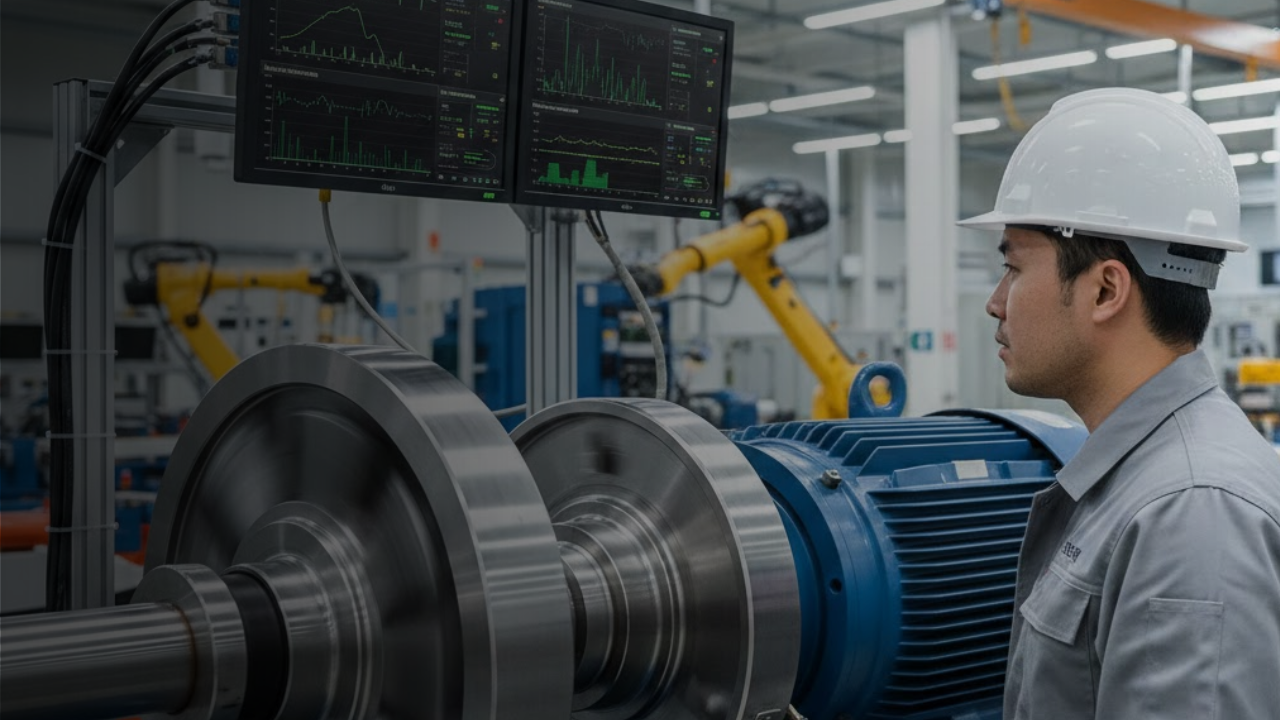
In today’s industrial landscape, the reliability of rotating equipment such as pumps, compressors, turbines, and motors is critical to maintaining operational efficiency and profitability. Unexpected downtime due to equipment failure can result in significant production losses and costly repairs. That’s why rotating equipment monitoring has become a cornerstone of modern industrial maintenance strategies, enabling businesses to optimize maintenance schedules, reduce costs, and improve overall equipment reliability.
Understanding Rotating Equipment Monitoring
Rotating equipment monitoring involves continuously tracking the condition and performance of machinery through technologies like vibration analysis, temperature monitoring, and other condition-based measurements. By detecting early signs of wear or failure, companies can proactively address potential issues before they escalate into unplanned downtime.
Unlike traditional time-based maintenance, which relies on fixed schedules, condition-based monitoring allows for maintenance optimization performing repairs only when needed. This approach not only extends equipment life but also reduces unnecessary labor and spare parts costs.
The Role of Vibration Monitoring
Among various monitoring techniques, vibration monitoring is particularly effective in identifying mechanical problems. Changes in vibration patterns can signal issues such as imbalance, misalignment, bearing wear, or loosened components. Early detection through vibration analysis enables maintenance teams to intervene before minor faults turn into major failures.
For example, a chemical processing plant recently implemented a vibration monitoring program on its centrifugal pumps. Within months, the system detected subtle increases in vibration on a critical pump bearing. By replacing the bearing proactively, the plant avoided a catastrophic failure that could have halted production for days. The result was not only increased uptime but also significant cost savings in emergency repairs and lost production.
Case Study: Condition Monitoring in Action
Condition monitoring combines multiple data points vibration, temperature, oil analysis, and operational parameters to provide a comprehensive picture of equipment health. A power generation facility applied a condition monitoring system to its turbines and motors. The system flagged abnormal temperature fluctuations and minor misalignments in one turbine rotor.
By addressing these issues promptly, the facility achieved:
- 20% reduction in unplanned downtime
- 15% decrease in maintenance costs
- Improved overall equipment reliability
This case highlights how an integrated monitoring approach can deliver tangible financial benefits while enhancing operational safety.
Benefits of Maintenance Optimization
Implementing maintenance optimization through rotating equipment monitoring offers several advantages:
- Extended Equipment Lifespan: Monitoring wear patterns allows for timely interventions, reducing stress on components and prolonging equipment life.
- Reduced Maintenance Costs: By performing maintenance only when necessary, companies save on spare parts, labor, and external contractor fees.
- Enhanced Operational Efficiency: Preventing unexpected downtime ensures smoother production flows and higher throughput.
- Improved Safety: Early detection of potential failures minimizes the risk of accidents associated with catastrophic equipment breakdowns.
- Data-Driven Decision Making: Monitoring systems provide actionable insights, allowing managers to prioritize maintenance activities based on real-time data rather than guesswork.
Real-World Applications Across Industries
Industries such as oil & gas, power generation, petrochemicals, and manufacturing have seen substantial benefits from implementing rotating equipment monitoring. For instance:
- Oil & Gas: Offshore rigs rely heavily on pumps and compressors. Vibration monitoring has helped operators detect early bearing failures, avoiding costly platform shutdowns.
- Manufacturing: Factories with automated production lines use condition monitoring to ensure motors and conveyor systems remain operational, reducing unplanned downtime and improving delivery schedules.
- Power Generation: Turbine and generator monitoring allows facilities to schedule maintenance during planned outages, improving overall plant reliability.
These examples demonstrate that rotating equipment monitoring is not just a technical upgrade, it’s a strategic investment that drives cost savings and operational excellence.
Implementing a Rotating Equipment Monitoring Program
To successfully implement a monitoring program, companies should:
- Identify Critical Equipment: Focus on machinery whose failure would cause significant downtime or cost.
- Select Appropriate Monitoring Techniques: Choose vibration, temperature, or oil analysis based on equipment type and failure modes.
- Leverage Data Analytics: Use software platforms to analyze trends, detect anomalies, and predict maintenance needs.
- Integrate with Maintenance Planning: Align monitoring insights with maintenance schedules to optimize interventions.
- Continuously Review and Improve: Regularly evaluate program effectiveness and refine monitoring strategies.
A structured approach ensures maximum return on investment and long-term reliability improvements.
Conclusion
Incorporating rotating equipment monitoring into industrial maintenance strategies offers a powerful pathway to maximize uptime, optimize maintenance, and reduce costs. By leveraging vibration and condition monitoring technologies, organizations can detect issues early, prevent catastrophic failures, and extend the life of critical machinery.
The real-world case studies underscore a clear message: companies that invest in monitoring not only save on maintenance expenses but also enhance operational efficiency, reliability, and safety. In today’s competitive industrial environment, these advantages are no longer optional; they are essential for sustainable growth and success.

We serve the marine transportation, oil & gas, power generation, oleochemicals and petrochemical industries.
Join Our Newsletter
Stay updated with the latest in our field! Subscribe to our newsletter and visit our website for more information.