Automation Investment Strategy: Planning for Long-Term Industrial Growth
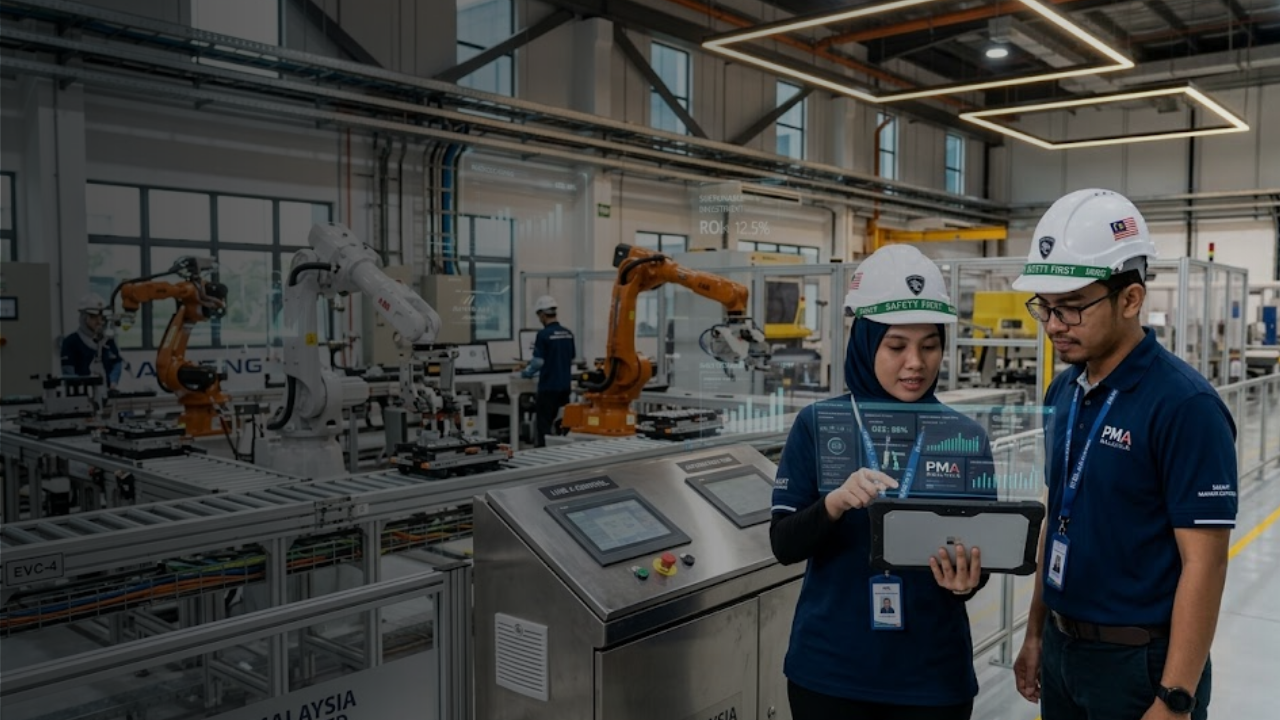
In today’s rapidly evolving industrial landscape, businesses must look beyond short-term gains and adopt a forward-thinking approach to remain competitive. A well-structured automation investment strategy is no longer optional, it is essential for achieving sustainable growth, operational efficiency, and resilience in the face of market disruptions. For companies in Southeast Asia, especially those seeking a reliable system integrator Malaysia, the right strategy can define success for years to come.
Why Automation Investment Matters
Automation is more than just replacing manual processes with machines. It is about transforming operations to be smarter, faster, and more data-driven. From manufacturing plants to energy facilities, automation helps reduce downtime, improve accuracy, and optimize resource utilization.
However, investing in automation without a clear roadmap can lead to wasted capital, incompatible systems, and underwhelming returns. That’s why businesses must align their automation investments with long-term objectives such as scalability, digital transformation, and workforce development.
Defining a Long-Term Automation Vision
Before selecting technologies or vendors, organizations must establish a clear vision. Ask key questions:
- What are the company’s growth targets over the next 5–10 years?
- Which processes are bottlenecks to efficiency?
- How can automation improve safety, compliance, and sustainability?
A strong automation investment strategy begins with understanding these goals and mapping them to practical solutions. For instance, a company planning to expand production capacity should prioritize scalable systems that can grow without requiring complete overhauls.
Key Factors in Automation Investment Strategy
- Scalability and Flexibility
Choose solutions that can evolve with your business. Modular automation systems allow for incremental upgrades, reducing the need for costly replacements. This ensures your investment remains relevant as technology advances. - Integration Capabilities
Modern industries rely on interconnected systems. Your automation solution must seamlessly integrate with existing infrastructure such as ERP systems, SCADA platforms, and IoT devices. This is where selecting the right system integrator Malaysia becomes critical, as they ensure all components work cohesively. - Data-Driven Decision Making
Automation generates vast amounts of data. Investing in analytics tools enables businesses to turn this data into actionable insights, improving predictive maintenance, energy efficiency, and production planning. - Total Cost of Ownership (TCO)
Instead of focusing solely on initial costs, consider long-term expenses including maintenance, upgrades, and training. A slightly higher upfront investment may deliver better ROI over time through reduced downtime and improved efficiency. - Cybersecurity and Compliance
As systems become more connected, cybersecurity risks increase. Ensure your automation strategy includes robust security measures and complies with industry regulations.
Choosing the Right System Integrator
Selecting a qualified system integrator is one of the most important decisions in your automation journey. A reputable system integrator Malaysia does more than install equipment, they act as a strategic partner who understands your industry and long-term goals.
When evaluating integrators, consider:
- Industry Experience: Look for proven expertise in your sector, whether it’s oil & gas, manufacturing, or power generation.
- Technical Capabilities: Ensure they are skilled in the latest technologies such as IIoT, AI-driven analytics, and advanced control systems.
- Customization: Avoid one-size-fits-all solutions. Your integrator should tailor systems to your specific operational needs.
- Support and Maintenance: Long-term support is essential for system reliability and performance optimization.
A strong partnership with the right integrator ensures your automation systems are not only implemented effectively but also continuously improved.
Aligning Automation with Business Growth
Automation investments should directly support your business strategy. For example:
- Expanding Production: Implement advanced process control and robotics to increase throughput.
- Improving Reliability: Use predictive maintenance systems to minimize downtime.
- Enhancing Sustainability: Deploy energy monitoring solutions to reduce waste and carbon footprint.
By aligning automation initiatives with strategic goals, businesses can maximize ROI and create a competitive advantage.
Future-Proofing Your Investment
Technology evolves rapidly, and businesses must prepare for future advancements. Incorporating emerging trends such as Industrial Internet of Things (IIoT), digital twins, and AI-driven optimization can significantly enhance long-term value.
Additionally, workforce readiness is crucial. Investing in training ensures employees can effectively operate and maintain new systems, bridging the gap between technology and human expertise.
Common Mistakes to Avoid
Many organizations struggle with automation due to avoidable errors:
- Lack of Clear Strategy: Jumping into automation without defined goals leads to misaligned investments.
- Underestimating Integration Complexity: Poor integration can result in inefficiencies and data silos.
- Ignoring Change Management: Employees must be prepared for new workflows and technologies.
- Choosing Based on Cost Alone: The cheapest solution often results in higher long-term expenses.
Avoiding these pitfalls ensures a smoother transition and better outcomes.
Conclusion
A well-planned automation investment strategy is a cornerstone of long-term industrial growth. By focusing on scalability, integration, and strategic alignment, businesses can unlock significant improvements in efficiency, productivity, and profitability.
Equally important is partnering with a trusted system integrator Malaysia who can guide your journey from planning to implementation and beyond. With the right approach, automation becomes not just a tool, but a powerful driver of innovation and sustained success in an increasingly competitive industrial environment.
Invest wisely today, and your automation systems will continue to deliver value well into the future.

We serve the marine transportation, oil & gas, power generation, oleochemicals and petrochemical industries.
Join Our Newsletter
Stay updated with the latest in our field! Subscribe to our newsletter and visit our website for more information.