Energizing the Future: Optimizing Efficiency with Power Monitoring
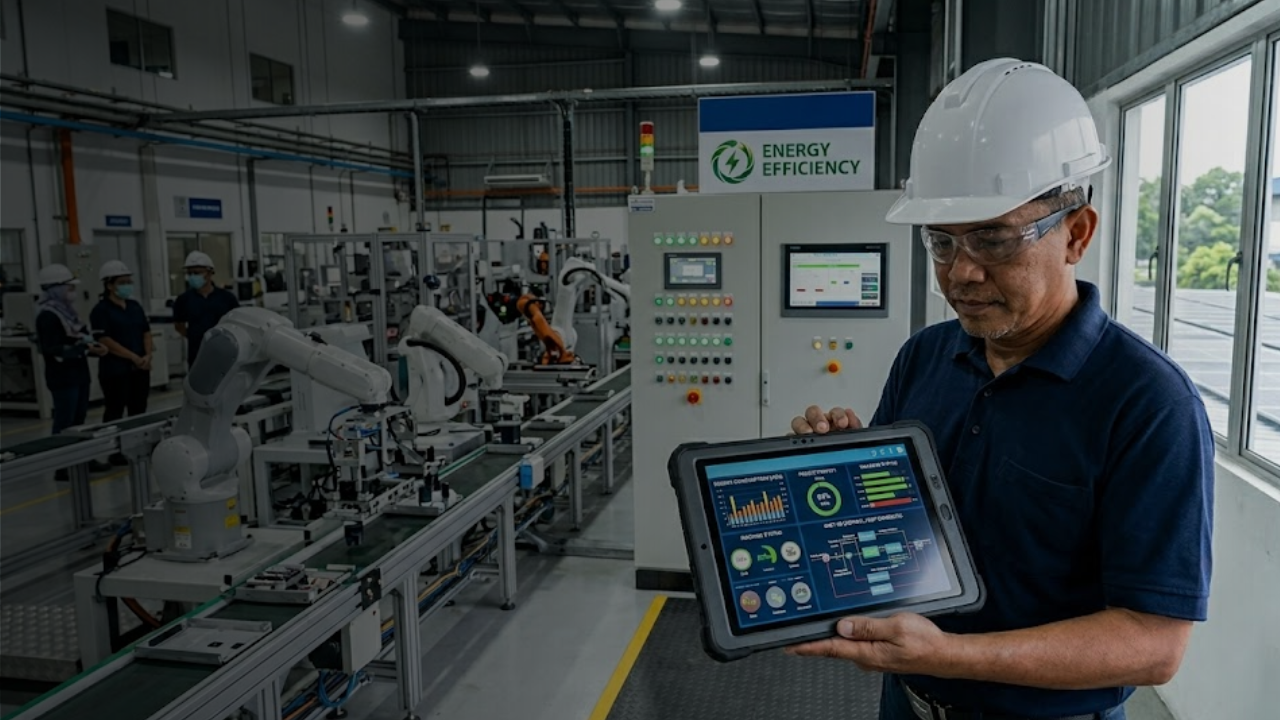
In today’s rapidly evolving industrial landscape, the conversation around energy has shifted. It’s no longer just about tracking consumption; it’s about active, intelligent, and real-time management. As energy costs soar and sustainability mandates become stricter, the need for precise control and measurement of energy usage has reached a critical point. This article dives into the essential role of integrating energy management systems (EMS) and power monitoring directly into your control loop to unlock a new level of operational efficiency and reduce your carbon footprint.
The Problem with Post-hoc Reporting
Traditionally, energy consumption in a factory or plant has been monitored through monthly utility bills and retrospective reports. This approach is reactive. It tells you what you spent but not how or where you could have saved. These static reports provide zero insight into the real-time dynamics of your processes. They obscure hidden inefficiencies and prevent you from taking immediate corrective action.
To truly optimize efficiency and sustainability, you need data that is actionable and immediate. This requires moving beyond mere consumption reports and embracing real-time power monitoring.
The Role of Power Monitoring in Industrial Automation
Power monitoring isn’t just about reading a meter. It’s about granular, high-frequency measurement of voltage, current, power factor, and harmonic distortion across your entire facility. This data is the lifeblood of an effective energy management system.
When integrated with your process automation and factory automation systems, power monitoring transforms from a simple diagnostic tool into a powerful control mechanism.
Imagine your distributed control system (DCS) or programmable logic controller (PLC) has real-time visibility into the power being consumed by every pump, fan, conveyor, and robot. This allows the control loop to make decisions based not only on process variables like pressure or temperature but also on energy consumption.
Driving Efficiency through the Control Loop
The real magic happens when you connect power monitoring to your control loop. This integration unlocks several key capabilities for optimizing efficiency:
1. Precise Energy Control
Traditionally, control loops focus on maintaining a process setpoint. For example, a variable frequency drive (VFD) might be programmed to keep a pump’s output at a specific flow rate. By integrating power monitoring, the control system can also optimize for energy consumption. If the flow rate is slightly above the required setpoint, the VFD can reduce the pump’s speed, significantly lowering energy consumption without sacrificing process performance. This kind of nuanced control is only possible with granular, real-time power data.
2. Demand-Side Management (DSM)
Your control system can proactively manage peak demand, avoiding costly utility penalties. By monitoring the plant’s total power consumption in real-time, the control loop can shed non-essential loads or adjust process setpoints during periods of high demand. This intelligent load-shedding is a core component of a modern industrial solution.
3. Equipment Health Monitoring and Predictive Maintenance
Variations in power quality and consumption often serve as early warning signs of equipment failure. A pump that is beginning to fail might draw more power than usual or exhibit increased harmonic distortion. By continuous power monitoring, you can identify these subtle changes and schedule predictive maintenance before a costly breakdown occurs. This proactive approach significantly reduces downtime and extends equipment life.
The Path to Sustainability
Sustainability is no longer a corporate buzzword; it’s a strategic imperative. Reducing your carbon footprint is not only an ethical choice but often a financial one as well.
The integration of EMS and power monitoring directly contributes to your sustainability goals:
- Identifies and Eliminates Waste: Real-time visibility into energy consumption helps pinpoint equipment and processes that are running inefficiently. This allows you to eliminate energy waste, such as running machinery when it’s not needed or operating equipment outside its optimal range.
- Facilitates Renewable Energy Integration: As industrial facilities increasingly adopt renewable energy sources like solar and wind, power monitoring becomes critical. It allows you to track and manage the flow of energy between the grid, your on-site generation, and your consumption, optimizing the use of clean energy.
- Enables Accurate Carbon Accounting: A granular understanding of your energy consumption by process and product allows you to precisely calculate your carbon footprint. This data is essential for regulatory compliance and for demonstrating your commitment to sustainability to customers and stakeholders.
Conclusion: Embracing the Future of Power
The future of industrial automation is undeniably linked to energy management. Plant managers who move beyond basic energy reports and embrace the power of integrated power monitoring will be well-positioned to reduce costs, improve operational efficiency, and meet their sustainability commitments. By making energy consumption a key variable in your control loop, you are not just managing your power bills, you are energizing the future of your operations. The path to a more sustainable and efficient industrial future starts with precise energy control and measurement. It starts with power monitoring.

We serve the marine transportation, oil & gas, power generation, oleochemicals and petrochemical industries.
Join Our Newsletter
Stay updated with the latest in our field! Subscribe to our newsletter and visit our website for more information.