Asset Performance Management: Driving Growth Through Smart Resource Utilization
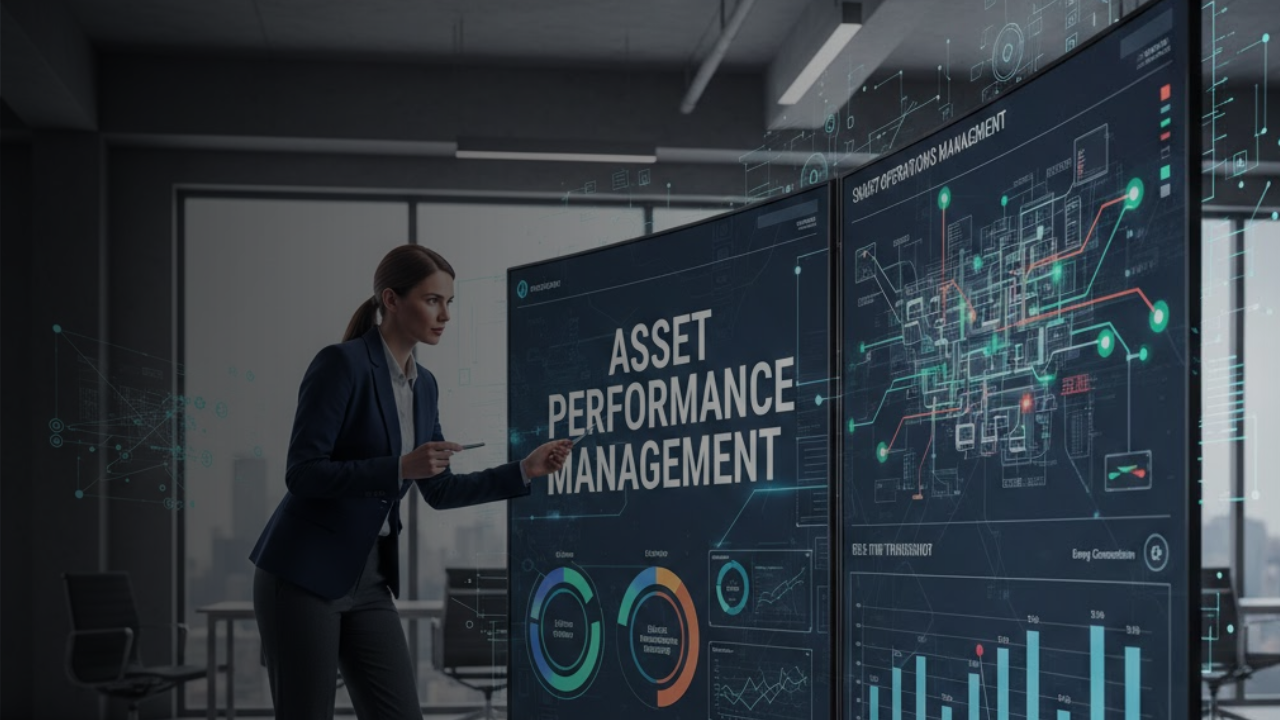
In today’s fast-paced industrial landscape, businesses are constantly seeking ways to maximize efficiency, reduce downtime, and optimize resource allocation. One of the most effective strategies for achieving these goals is through Asset Performance Management (APM). By leveraging advanced technologies and data-driven insights, APM enables organizations to make smarter decisions, prioritize investments, and ultimately enhance the return on their assets.
Understanding Asset Performance Management
At its core, asset performance management is a holistic approach to monitoring, analyzing, and optimizing the performance of critical assets across a business. Unlike traditional maintenance strategies that focus solely on repairing equipment after failures, APM emphasizes predictive and proactive maintenance. This shift ensures that assets operate at peak efficiency, minimizing unexpected downtime and operational disruptions.
APM systems consolidate data from various sources including sensors, industrial IoT platforms, and enterprise systems into actionable insights. This allows businesses to monitor the health, performance, and utilization of their assets in real-time. The result is not just improved reliability but also smarter, data-driven decision-making.
Maximizing ROI Through Smarter Investment Decisions
One of the most significant advantages of asset performance management is its ability to help organizations prioritize investments. Businesses often face budget constraints and must decide where to allocate resources for maximum impact. APM provides clear visibility into asset performance, highlighting which assets are underperforming, which require urgent maintenance, and which are delivering the best value.
By using this data, decision-makers can focus their investments on high-impact areas. For instance, a manufacturing plant can identify aging equipment that is prone to breakdowns and prioritize upgrades or replacements. Similarly, companies can identify underutilized assets and explore ways to enhance their efficiency. This targeted approach ensures that every dollar spent contributes to improved operational performance and increased return on investment (ROI).
Driving Operational Efficiency with Smart Operations Management
Smart operations management is a natural extension of APM. By integrating APM insights into broader operational workflows, businesses can optimize not just individual assets but entire processes. For example, predictive maintenance schedules can be synchronized with production plans to avoid costly interruptions. Inventory management can be adjusted based on asset performance forecasts, ensuring spare parts are available when needed without excessive stockpiling.
Furthermore, APM supports a culture of continuous improvement. Real-time monitoring and analytics enable teams to identify inefficiencies, uncover bottlenecks, and implement corrective actions quickly. Over time, this leads to enhanced productivity, reduced operating costs, and a more resilient organization.
Leveraging Technology for Smarter Resource Utilization
Modern APM systems rely heavily on technology, particularly IoT devices, advanced analytics, and AI-driven algorithms. Sensors embedded in critical equipment collect real-time data on performance parameters such as vibration, temperature, and energy consumption. This data is analyzed to detect anomalies, predict potential failures, and recommend preventive actions.
The integration of AI and machine learning further enhances APM capabilities. Algorithms can identify patterns and correlations that human operators might miss, providing predictive insights that help businesses avoid costly downtime. By leveraging these technologies, companies can ensure optimal resource utilization, maintain high asset reliability, and reduce unplanned maintenance expenses.
Case in Point: Real-World Benefits of APM
Consider a chemical processing plant that implements a comprehensive APM system. Within months, the plant identified several pumps and motors that were consistently underperforming. By prioritizing maintenance and strategic replacements, the plant reduced unexpected equipment failures by 30%, improved production efficiency, and achieved significant cost savings.
Another example is a power generation company using smart operations management combined with APM. Through predictive analytics, the company optimized its maintenance schedules, reduced energy consumption, and extended the lifespan of its turbines. These improvements not only enhanced operational performance but also provided measurable financial returns.
The Future of Asset Performance Management
The future of industrial operations is increasingly data-driven, and APM will play a central role in this evolution. As businesses continue to adopt digital technologies, the ability to monitor and manage assets intelligently will become a competitive differentiator. Companies that embrace asset performance management and smart operations management will not only optimize resource utilization but also drive sustainable growth, improve operational resilience, and enhance overall profitability.
In conclusion, APM is more than just a maintenance tool it is a strategic approach to business growth. By providing actionable insights into asset performance, enabling smart investment decisions, and supporting efficient operational management, APM empowers organizations to maximize asset ROI. Businesses that leverage these capabilities today will be better positioned to thrive in an increasingly competitive industrial landscape.

We serve the marine transportation, oil & gas, power generation, oleochemicals and petrochemical industries.
Join Our Newsletter
Stay updated with the latest in our field! Subscribe to our newsletter and visit our website for more information.