Engineering Insight: How SCADA and Vibration Monitoring Improve Plant Reliability
In today’s competitive industrial landscape, power plants and manufacturing facilities are under constant pressure to maximize uptime, reduce maintenance costs, and improve operational efficiency. Two technologies have emerged as game-changers in achieving these objectives: SCADA (Supervisory Control and Data Acquisition) systems and vibration monitoring. Together, they form the backbone of modern plant reliability strategies, providing engineers and operators with actionable insights and predictive capabilities that traditional monitoring methods cannot match.
How SCADA Centralizes Control and Enhances Situational Awareness
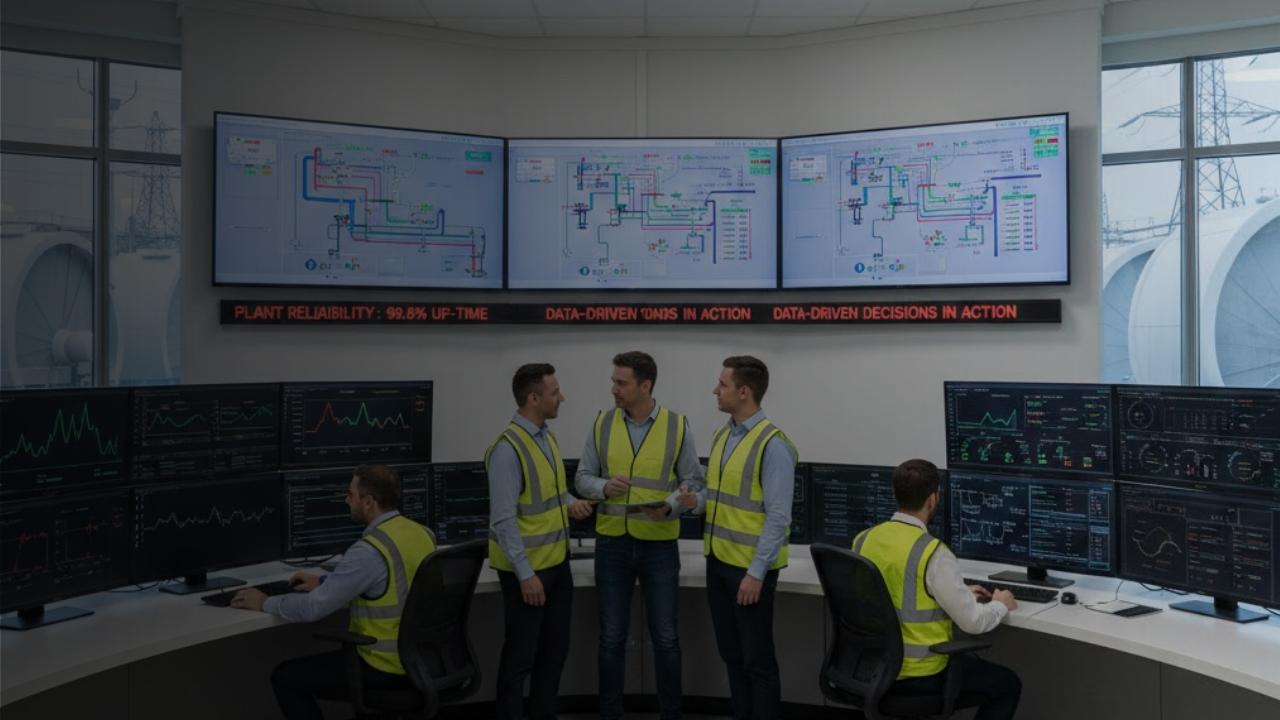
SCADA systems are the nerve center of modern plants, connecting sensors, actuators, and controllers to provide a unified view of plant operations. By centralizing control, SCADA systems enable operators to monitor multiple processes from a single interface, detect anomalies in real time, and respond quickly to potential issues. This high-level visibility ensures that small problems are addressed before they escalate into costly downtime, making it clear how SCADA improves plant reliability.
Beyond monitoring, SCADA systems facilitate advanced analytics, reporting, and historical trend analysis. Engineers can access performance data remotely, identify patterns in equipment behavior, and make informed decisions about operational adjustments. In essence, SCADA not only improves control but also transforms plant data into actionable intelligence, ensuring that reliability is proactively managed rather than reactively enforced.
The Benefits of Vibration Monitoring for Rotating Equipment Health
Rotating equipment, such as turbines, pumps, and compressors, is critical to plant performance. Undetected imbalances, misalignments, or bearing wear can quickly escalate into catastrophic failures. Vibration monitoring offers a preventive solution by continuously tracking the mechanical health of such equipment.
Vibration sensors detect subtle changes in amplitude and frequency, allowing maintenance teams to diagnose potential faults before they cause downtime. This proactive approach reduces unexpected outages and extends equipment life. In fact, the benefits of vibration monitoring in turbines include improved operational efficiency, reduced repair costs, and increased safety all of which contribute to higher overall plant reliability. By integrating vibration data with SCADA systems, operators gain a complete picture of both process and mechanical health, enabling more accurate maintenance planning and predictive interventions.
Integrating Engine Control, Safety, and Monitoring Systems
Modern power plants are complex ecosystems where engine control, safety, and monitoring systems must work seamlessly together. A guide to engine control systems for power plants emphasizes the integration of these components to ensure optimal performance and safety compliance. Engine control systems manage fuel flow, combustion, and power output, while safety systems enforce operational limits and prevent hazardous conditions.
When integrated with SCADA and vibration monitoring, these systems provide a holistic approach to plant management. Engineers can monitor engine performance, track mechanical health, and respond to alarms from a single platform. This integration reduces human error, enhances situational awareness, and supports data-driven decision-making, a critical factor for achieving maximum uptime and operational reliability.
Data-Driven Reliability and Reduced Maintenance Costs
The combination of SCADA and vibration monitoring is more than just technology; it’s a philosophy of data-driven reliability. By collecting, analyzing, and acting on operational data, plant operators can move from reactive to predictive maintenance strategies. This shift minimizes unscheduled downtime, extends equipment lifecycles, and reduces overall maintenance expenses.
Predictive analytics can highlight trends such as increased vibration levels, unusual temperature spikes, or deviations in engine performance. Engineers can then schedule targeted inspections or part replacements, avoiding blanket maintenance routines that are often costly and inefficient. Over time, this strategic approach significantly improves the return on investment for plant operations while ensuring consistent performance.
Practical Tips for Engineers and Operators in Malaysia
For engineers and operators in Malaysia, implementing SCADA and vibration monitoring requires both technical planning and practical considerations. Here are some actionable tips:
- Invest in quality sensors and instruments: High-accuracy vibration sensors and reliable SCADA nodes provide the foundation for meaningful data collection.
- Integrate systems early: Designing SCADA, vibration monitoring, and engine control systems to work together from the start ensures smoother operations.
- Train staff effectively: Operators should be proficient in reading trends, diagnosing anomalies, and responding to alarms quickly.
- Leverage data analytics: Use historical data to identify recurring issues and optimize maintenance schedules.
- Focus on continuous improvement: Regularly review system performance and upgrade monitoring solutions to adopt the latest predictive technologies.
Conclusion: Combining SCADA and Smart Monitoring for Better Plant Uptime and Efficiency
SCADA and vibration monitoring are no longer optional add-ons; they are essential tools for modern plant reliability. By centralizing control, providing real-time visibility, and enabling predictive maintenance, these technologies empower engineers to make smarter decisions and optimize operational efficiency.
When combined with integrated engine control and safety systems, SCADA and vibration monitoring offer a comprehensive solution that enhances uptime, reduces maintenance costs, and prolongs equipment life. For plants in Malaysia and beyond, embracing these technologies is not just a matter of modernization; it is a strategic step toward achieving sustainable, data-driven reliability in today’s fast-paced industrial environment.

We serve the marine transportation, oil & gas, power generation, oleochemicals and petrochemical industries.
Join Our Newsletter
Stay updated with the latest in our field! Subscribe to our newsletter and visit our website for more information.