SIL Rated Systems: Ensuring Safety and Reliability in Critical Operations
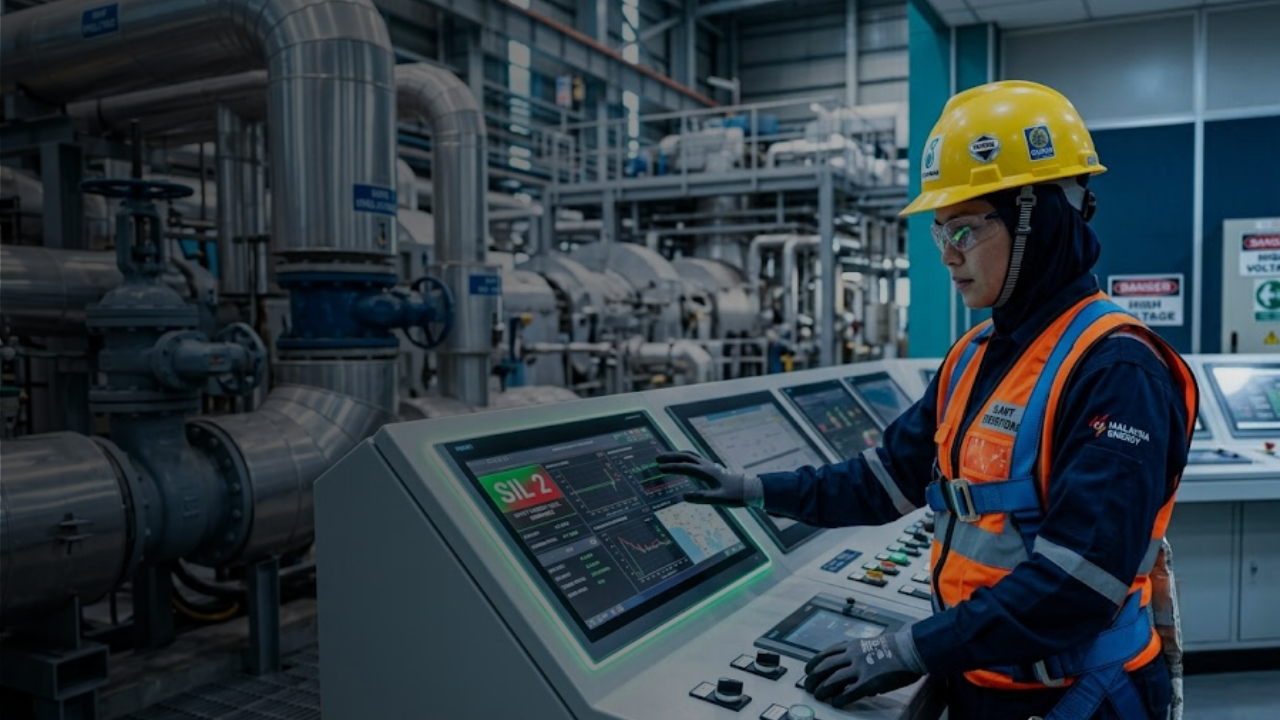
In today’s high-risk industrial environments, safety is not just a regulatory requirement it is a critical component of operational excellence. From oil & gas plants to power generation facilities, even a minor system failure can lead to catastrophic consequences. This is where SIL rated systems play a vital role, providing a structured and measurable approach to managing risk and ensuring system reliability.
For companies seeking trusted industrial engineering services Malaysia, understanding and implementing Safety Integrity Level (SIL) systems is essential to achieving both compliance and long-term operational confidence.
What Are SIL Rated Systems?
Safety Integrity Level (SIL) is a concept derived from the international standard International Electrotechnical Commission IEC 61508, which defines the performance requirements for safety instrumented systems (SIS). SIL is used to measure the reliability and effectiveness of a system in reducing risk.
There are four SIL levels:
- SIL 1 – Basic level of risk reduction
- SIL 2 – Moderate risk reduction
- SIL 3 – High risk reduction
- SIL 4 – Very high risk reduction (rarely used in most industries)
Each level corresponds to a probability of failure on demand (PFD), meaning the higher the SIL level, the lower the likelihood that the system will fail when needed.
Why SIL Rated Systems Matter in High-Risk Industries
Industries such as oil & gas, petrochemicals, marine, and power generation operate in environments where hazards are inherent. Without proper safety systems, these risks can escalate quickly.
1. Risk Mitigation and Accident Prevention
SIL rated systems are designed to detect dangerous conditions and initiate corrective actions before incidents occur. For example, a SIL 2 or SIL 3 system in a refinery can automatically shut down operations if pressure exceeds safe limits, preventing explosions or equipment damage.
2. Compliance with International Standards
Regulatory bodies and industry standards increasingly require SIL assessments and implementations. Compliance with IEC standards ensures that companies meet global safety benchmarks, which is especially important for organizations operating across multiple regions.
3. Protection of Assets and Personnel
Beyond compliance, SIL systems protect what matters most—people and assets. A properly designed safety instrumented system reduces downtime, prevents costly damages, and safeguards human lives.
Key Components of SIL Rated Systems
To achieve a specific SIL level, several components must work together seamlessly:
- Sensors – Detect process conditions such as temperature, pressure, or flow
- Logic Solvers – Process input signals and make decisions
- Final Control Elements – Execute actions like shutting valves or stopping machinery
The reliability of each component contributes to the overall SIL rating. This is why system design, testing, and validation are critical steps in implementation.
The Role of SIL in Operational Confidence
One of the most overlooked benefits of SIL rated systems is the confidence they bring to operations.
Improved Decision-Making
When operators know that safety systems are robust and reliable, they can make decisions with greater assurance. This reduces hesitation during critical situations and enhances overall efficiency.
Reduced Downtime
Unexpected shutdowns can be costly. SIL systems minimize false trips while ensuring real threats are addressed promptly, striking the right balance between safety and productivity.
Enhanced Reputation
Organizations that prioritize safety gain trust from stakeholders, clients, and regulatory bodies. This is especially important in competitive markets like Malaysia, where reliability and compliance are key differentiators.
Implementing SIL Rated Systems in Malaysia
For businesses looking to adopt SIL systems, working with experienced providers of industrial engineering services Malaysia is crucial. Implementation involves several stages:
- Hazard and Risk Assessment (HARA)
- Safety Requirement Specification (SRS)
- System Design and Engineering
- Verification and Validation
- Operation and Maintenance
Local expertise ensures that systems are tailored to Malaysia’s regulatory environment and industry-specific challenges, whether in offshore platforms or manufacturing plants.
Challenges and Considerations
While SIL rated systems offer significant benefits, implementation is not without challenges:
- Complexity – Designing systems to meet specific SIL levels requires specialized knowledge
- Cost – Higher SIL levels often involve increased investment
- Maintenance – Regular testing and calibration are essential to maintain system integrity
However, these challenges are outweighed by the long-term benefits of improved safety and reliability.
Future Trends in SIL and Industrial Safety
With the rise of digitalization and Industrial Internet of Things (IIoT), SIL systems are evolving. Modern safety systems now integrate with real-time monitoring platforms, predictive analytics, and remote diagnostics.
This transformation enables:
- Faster response to potential hazards
- Data-driven safety improvements
- Greater system transparency
As industries in Malaysia continue to embrace automation, SIL rated systems will remain a cornerstone of safe and efficient operations.
Conclusion
SIL rated systems are more than just a compliance requirement, they are a strategic investment in safety, reliability, and operational excellence. By reducing risk, protecting assets, and enhancing confidence, these systems play a critical role in high-risk industries.
For organizations seeking dependable industrial engineering services Malaysia, implementing SIL systems is a key step toward achieving sustainable growth and maintaining a competitive edge. In an environment where safety and performance go hand in hand, SIL is not optional, it is essential.

We serve the marine transportation, oil & gas, power generation, oleochemicals and petrochemical industries.
Join Our Newsletter
Stay updated with the latest in our field! Subscribe to our newsletter and visit our website for more information.