From Legacy to Leader: The Strategic Value of System Integration
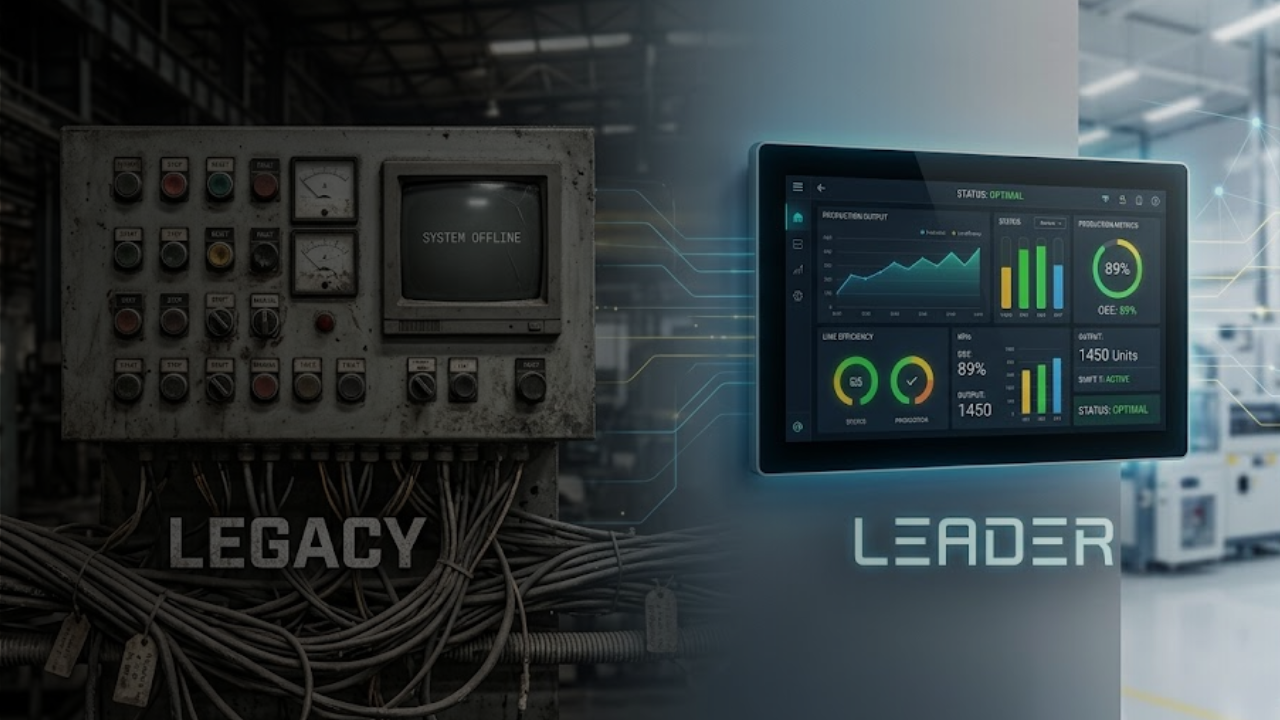
For many manufacturers, the “legacy” systems that form the backbone of their operations are a source of both frustration and untapped potential. These aging machines, often decades old, might still produce reliable goods, but they operate in isolation, lacking the connectivity and intelligence required for modern efficiency and agility. The disconnect between these legacy assets and newer technologies creates data silos, hinders real-time visibility, and prevents manufacturers from fully leveraging the benefits of digital transformation.
This is where the strategic value of a professional system integrator becomes undeniable. Far more than just a provider of industrial automation components, a skilled integration partner acts as a catalyst for modernization, bridging the gap between fragmented machinery and a unified control architecture.
The Fragmented Landscape of Legacy Systems
Legacy systems often pose significant challenges. They rely on proprietary protocols, lack standardized communication interfaces, and often operate on outdated hardware and software that is no longer supported. This leads to several paint points:
- Inability to Collect and Analyze Data: Critical performance data, production metrics, and equipment health information are trapped within individual machines, making it impossible to gain a comprehensive overview of the plant’s operations.
- Inefficient Control and Monitoring: Operators frequently have to manage each machine individually, sometimes using different interfaces and controls. This leads to inefficiencies, an increased risk of human error, and difficulty in responding quickly to changes.
- Higher Maintenance Costs and Downtime: Older equipment is more prone to breakdown, and finding replacement parts and specialized expertise for maintenance can be challenging and costly.
- Limited Scalability and Flexibility: Integrating new technologies or scaling production can be a nightmare with fragmented legacy systems, as it often requires expensive and time-consuming custom development.
The Role of the System Integrator in Modernization
A professional automation company specializing in control systems engineering brings the expertise and experience needed to transform this fragmented landscape into a cohesive, intelligent, and efficient manufacturing environment. Their role extends far beyond simple installation.
- Strategic Assessment and Planning: A system integrator begins by conducting a thorough assessment of your existing infrastructure, processes, and business goals. They develop a roadmap for modernization that prioritizes high-impact areas and aligns with your long-term vision.
- Designing a Unified Control Architecture: Leveraging their expertise in various industrial communication protocols (like OPC-UA, MQTT, and others) and integration platforms, they design a unified control architecture that connects all your machines, sensors, and other devices. This allows for seamless data exchange and centralized control.
- Developing and Implementing Custom Solutions: In many cases, standard off-the-shelf solutions aren’t enough. System integrators develop custom software, control logic, and interfaces that meet your specific needs and integrate seamlessly with your existing systems.
- Commissioning and Ongoing Support: Once the system is installed and integrated, the system integrator provides thorough testing and commissioning to ensure everything works as expected. They also offer ongoing support and maintenance to keep your systems running smoothly.
The Business Value of a Strategic Partnership
Partnering with a professional system integrator is a strategic investment that delivers tangible business benefits far beyond simple modernization.
- Enhanced Operational Efficiency: A unified control architecture and real-time visibility into your operations enable you to optimize processes, reduce waste, and improve overall productivity.
- Improved Quality Control: By collecting and analyzing data from every step of the production process, you can identify and address quality issues quickly, reducing defects and improving product consistency.
- Increased Agility and Flexibility: A well-integrated system allows you to adapt quickly to changing market demands, introduce new products faster, and scale production more easily.
- Data-Driven Decision Making: Real-time data and analytics empower you to make informed decisions about maintenance, resource allocation, and overall business strategy.
- Reduced Downtime and Maintenance Costs: Predictive maintenance, enabled by condition monitoring and data analytics, helps you anticipate and prevent equipment failures, reducing costly downtime and extending the lifespan of your assets.
- Competitive Advantage: By embracing modern industrial solutions and achieving a higher level of automation and intelligence, you gain a significant competitive advantage in today’s demanding market.
Conclusion: Embracing the Future of Manufacturing
For manufacturers facing the challenges of aging infrastructure and fragmented systems, a strategic partnership with a professional system integrator is not just an option; it’s a necessity. By leveraging their expertise in control systems engineering and digital transformation, you can unlock the full potential of your legacy assets, create a more efficient and resilient operation, and position yourself as a leader in the future of manufacturing. Don’t let your legacy systems hold you back. Embrace the power of system integration and transform your operations into a modern, data-driven, and competitive force.

We serve the marine transportation, oil & gas, power generation, oleochemicals and petrochemical industries.
Join Our Newsletter
Stay updated with the latest in our field! Subscribe to our newsletter and visit our website for more information.