Engineering Sustainability: Building a Greener Malaysia
In today’s fast-changing world, sustainability is no longer an option but a responsibility. As industries modernize and economies grow, engineers are now at the forefront of designing and implementing technologies that support environmental innovation and energy efficiency. In Malaysia, the call for sustainable engineering has become stronger than ever, aligning with national goals to reduce carbon emissions and promote green technology for future generations.
Why Sustainability Is Now a Core Engineering Responsibility
Engineering has always been about solving problems, building systems that improve lives and support progress. But in the 21st century, progress must come with responsibility. Climate change, resource depletion, and environmental degradation have created challenges that demand smarter, cleaner, and more sustainable engineering solutions.
Engineers are now tasked not only with creating efficient systems but also ensuring that every design, process, and technology contributes to reducing the ecological footprint. This shift in mindset marks the evolution from traditional engineering to green engineering, where performance and sustainability go hand in hand.
Malaysia’s Commitment to Carbon Neutrality and the Role of Engineers
Malaysia has pledged to achieve carbon neutrality by 2050, a bold national commitment that places engineering innovation at its core. To meet this target, the country is expanding its investments in renewable energy such as solar, hydro, and biomass.
Engineers play a crucial role in translating policy into action, designing energy-efficient infrastructures, optimizing industrial systems, and integrating renewable sources into the national power grid. By embedding sustainability into engineering practice, Malaysia can reduce its reliance on fossil fuels while enhancing its energy resilience.
Green Automation: Energy-Efficient Control Systems and Renewable Integration
Automation is a vital enabler of green technology. Intelligent control systems can monitor and optimize energy consumption across factories, buildings, and transportation networks. For example, advanced process control and energy management systems help industries achieve precise operation while minimizing waste and emissions.
Automation also supports renewable energy integration, allowing solar and wind power to be managed efficiently within the national grid. Through data-driven decision-making and digital transformation, engineers can design smarter systems that adapt to changing environmental and operational conditions, a true hallmark of sustainable engineering in Malaysia.
Sustainable Design Principles in Mechanical and Electrical Engineering
In both mechanical and electrical engineering, sustainable design principles are reshaping how systems are conceived and built. Mechanical engineers now focus on lifecycle efficiency using materials that are recyclable, lightweight, and durable. Meanwhile, electrical engineers emphasize energy efficiency through advanced motor controls, power management systems, and low-loss transmission technologies.
Sustainable engineering design goes beyond hardware; it involves systems thinking. This means considering the entire environmental impact of a project, from design and production to operation and disposal. By applying these principles, engineers can reduce waste, extend equipment life, and optimize energy use all key aspects of a greener Malaysia.
Case Studies: Smart Buildings, Solar Farms, and Green Port Initiatives
Malaysia is already witnessing impressive progress in sustainable engineering through landmark projects:
- Smart Buildings: Energy-efficient automation systems in commercial buildings such as Menara Hap Seng 3 and The Exchange TRX reduce energy use by up to 30% through intelligent HVAC and lighting control.
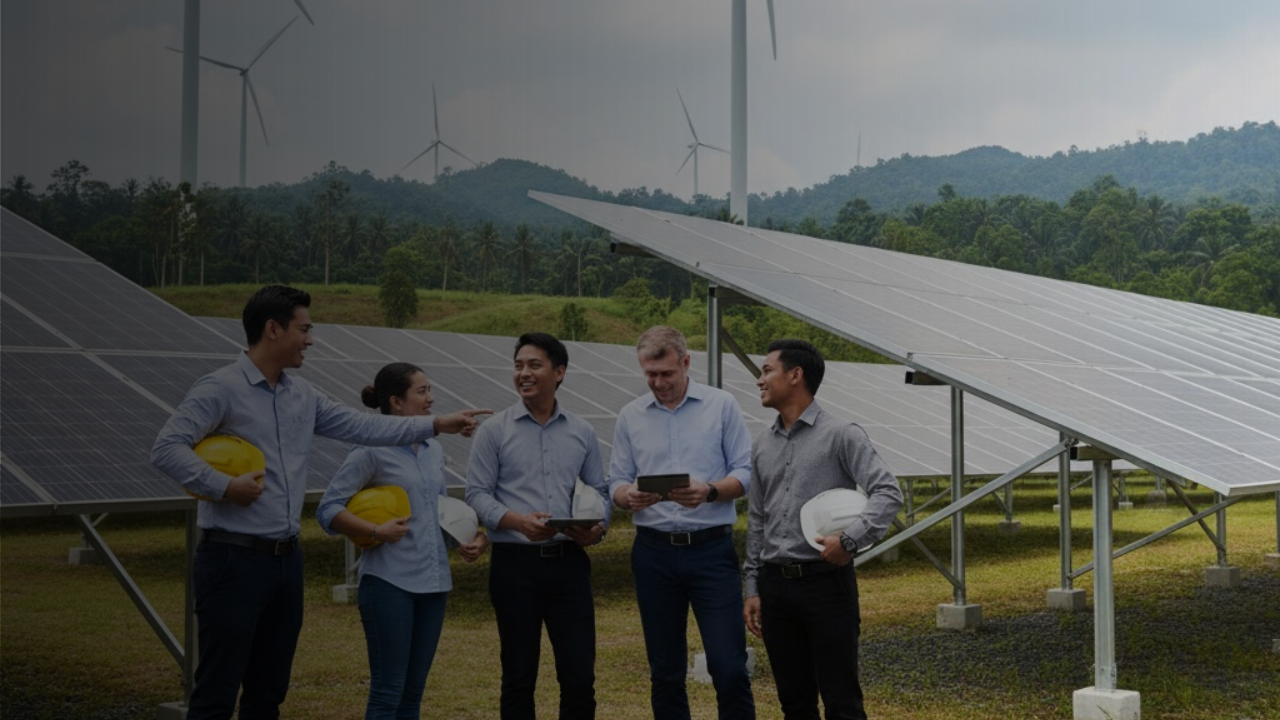
- Solar Farms: Large-scale solar plants across Perak and Kedah demonstrate Malaysia’s growing investment in renewable energy, with engineers designing optimized layouts for maximum sunlight capture and minimal land impact.
- Green Ports: Initiatives at Port Klang and the Port of Tanjung Pelepas are integrating green automation to reduce emissions from logistics and improve energy management, contributing to cleaner maritime operations.
These examples reflect how engineering innovation can directly support Malaysia’s sustainability goals while improving operational efficiency.
How Students Can Contribute Through Research and Final-Year Projects
The next generation of engineers has a vital role to play in sustaining this momentum. University students in engineering disciplines can contribute by focusing their final-year projects and research on renewable energy, energy-efficient automation, or environmental innovation.
Projects that explore solar tracking systems, smart energy meters, or AI-driven control systems for green buildings not only strengthen technical skills but also help build a portfolio that aligns with the country’s sustainability agenda. Collaboration between academia and industry is key to nurturing talent capable of leading Malaysia’s green transformation.
The Importance of Multidisciplinary Collaboration and Innovation
Sustainable engineering cannot exist in isolation. Achieving true environmental progress requires collaboration between mechanical, electrical, civil, and chemical engineers supported by data scientists, policy experts, and environmental planners.
Innovation thrives when diverse disciplines come together to create integrated solutions. Whether through smart grids, waste-to-energy plants, or intelligent transport systems, Malaysia’s sustainability journey depends on teamwork that bridges technical and environmental expertise.
Conclusion: Engineers as the Key Drivers of a Sustainable Malaysia
As Malaysia moves toward a low-carbon future, engineers stand as the key drivers of sustainable progress. By embracing green technology, improving energy efficiency, and leading environmental innovation, the engineering community can build a future that balances growth with ecological responsibility.
From industry professionals to aspiring students, every engineer has a role to play in shaping a cleaner, smarter, and more sustainable Malaysia. The path to carbon neutrality begins with engineering decisions made today and together, we can engineer a truly green tomorrow.

We serve the marine transportation, oil & gas, power generation, oleochemicals and petrochemical industries.
Join Our Newsletter
Stay updated with the latest in our field! Subscribe to our newsletter and visit our website for more information.